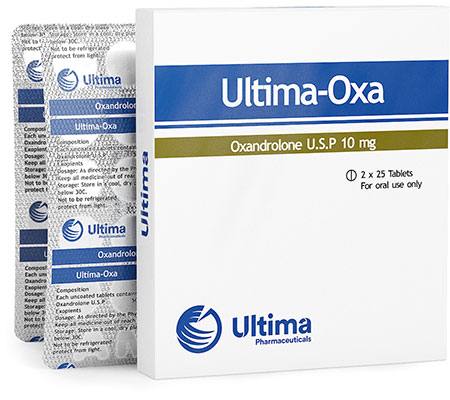
Oxandrolone is an oral anabolic-androgenic steroid that has been studied and used medically in specific circumstances. If you’re researching oxandrolone 10mg, its medical uses, mechanism of action, or reported before-and-after effects, understanding the clinical evidence and safety concerns is essential.
For more educational articles about anabolic steroids and medication safety, explore AnabolicsWarehouse.com. This guide covers oxandrolone’s medical background, its relationship to severe burns and muscle loss, potential adverse effects, and regulatory considerations in the United States, the UK, and Europe.
What Is Oxandrolone?
Oxandrolone is a synthetic anabolic steroid related to testosterone. It acts on androgen receptors and influences processes involved in protein metabolism and tissue maintenance.
The medicine has historically been used in selected medical circumstances involving weight loss or muscle wasting. However, its medical history should not be confused with evidence supporting recreational bodybuilding or cosmetic use.
Important points to understand include:
- Drug class: Anabolic-androgenic steroid.
- Form: Historically available as oral tablets.
- Medical background: Studied and used for selected catabolic conditions.
- Potential risks: Liver injury, adverse cholesterol changes, hormonal effects, and other serious complications.
- Regulatory status: Approval and availability depend on the country and specific product.
The fact that a medicine has been used medically does not mean it is appropriate for every patient or that products advertised online are genuine or authorised.
What Are Oxandrolone 10mg Tablets Used For?
Searches for oxandrolone 10mg uses often reflect questions about its medical history and effects on muscle tissue.
Historically, oxandrolone has been used in certain patients experiencing involuntary weight loss or catabolic conditions. These situations involve the body breaking down tissue faster than it can rebuild it.
Medical use requires an assessment of the underlying condition, potential benefits, alternative treatments, and the medicine’s risks. A tablet’s strength alone does not establish that the product is suitable for an individual.
Oxandrolone should not be treated as a general-purpose muscle-building medicine or a routine solution for weight management.
What Is the Oxandrolone Mechanism of Action?
The oxandrolone mechanism of action involves interaction with androgen receptors. These receptors help regulate the effects of androgens, a group of hormones that includes testosterone.
After binding to androgen receptors, anabolic steroids can influence gene expression and processes associated with protein synthesis and tissue metabolism.
Oxandrolone’s anabolic activity has led to research into its effects on lean body mass and recovery in particular clinical settings.
However, several distinctions matter:
- Changes in lean body mass do not necessarily mean improved overall health.
- Increased body weight does not automatically indicate increased muscle tissue.
- Results from patients receiving specialist medical care cannot be assumed to apply to healthy athletes.
- Biological activity does not establish that non-prescribed use is safe.
The mechanism explains how the drug can affect the body; it does not remove the possibility of serious adverse effects.
What Does Research Say About Oxandrolone and Burns?
The search phrase oxandrolone burns may refer to research into its use in patients recovering from severe burn injuries.
Severe burns can trigger a prolonged catabolic response. The body may break down muscle tissue, increase energy requirements, and experience substantial difficulties maintaining normal growth and recovery.
Oxandrolone has been investigated in specialist burn-care settings because of its potential effects on protein metabolism and lean body mass.
However, the clinical context is crucial. Treatment of severe burns involves specialist teams, careful monitoring, nutritional support, wound management, and rehabilitation.
Evidence from these settings does not justify using oxandrolone independently for bodybuilding, fat loss, or recovery from ordinary exercise.
Anyone researching this subject should distinguish between a medicine studied in a hospital setting and its use without medical supervision.
What Does Oxandrolone Before and After Really Mean?
The phrase oxandrolone before and after is commonly associated with claims about changes in physique, muscle definition, and body composition.
Photographs and personal testimonials can be misleading because they rarely establish what caused the observed changes. Lighting, posture, body-fat levels, training history, nutrition, hydration, and image editing can all influence the appearance of results.
A photograph also cannot reliably show whether a person experienced hormonal disruption, liver injury, or changes in cholesterol levels.
When evaluating before-and-after claims, consider:
- Whether the information comes from a controlled clinical study or an individual testimonial.
- Whether researchers measured meaningful health outcomes.
- Whether adverse effects and follow-up results were reported.
- Whether the claims are supported by reliable evidence rather than marketing.
There is no single predictable before-and-after outcome for oxandrolone, and visual results cannot establish safety.
What Are the Potential Side Effects of Oxandrolone?
Oxandrolone can cause significant adverse effects. Its anabolic properties do not make it harmless, and some complications may develop without obvious early symptoms.
Potential concerns include:
- Liver injury: Oral anabolic steroids can cause serious liver complications. Historical oxandrolone labelling included warnings about liver tumours and other liver problems.
- Cholesterol changes: Adverse changes in blood lipids may increase cardiovascular risk.
- Hormonal disruption: The body’s normal hormone production can be affected.
- Reproductive effects: Sperm production and fertility may be impaired.
- Skin and hair changes: Acne and hair loss can occur.
- Mood changes: Some people experience changes in mood or behaviour.
- Other complications: Fluid retention and changes in blood pressure may occur.
The UK NHS also describes wider risks associated with anabolic steroid misuse, including cardiovascular problems, liver and kidney complications, infertility, and dependence. Read the NHS guide to anabolic steroid misuse.
Seek medical advice if you have used an anabolic steroid and are concerned about your health. Chest pain, severe abdominal pain, yellowing of the skin or eyes, or other severe symptoms require urgent medical assessment.
Is Oxandrolone Approved in the United States in 2026?
The US regulatory history is particularly important for anyone researching oxandrolone.
In June 2023, the FDA withdrew approval of Oxandrin and several generic oxandrolone tablet applications. In September 2023, the agency determined that Oxandrin tablets had been withdrawn from sale for reasons of safety or effectiveness. The FDA subsequently published a correction to its notice in October 2026.
These actions mean that readers should not assume the historical US products are currently FDA-approved for sale. The status of a particular product or any new application must be verified directly with the FDA.
Official sources:
- FDA Federal Register notice on oxandrolone tablet approvals
- FDA determination concerning Oxandrin withdrawal from sale
This history is a significant reason to be cautious about websites advertising oxandrolone as an ordinary, FDA-approved medicine.
What Should UK and European Readers Know?
The legal status of anabolic steroids is not identical throughout Europe. Prescription requirements, marketing authorisations, import rules, and restrictions on supply can vary by country.
In the UK, anabolic steroids are prescription-only medicines when supplied as medicines. The rules also restrict supply and commercial distribution. Personal possession and importing or exporting for personal use are subject to specific legal distinctions, so readers should not assume that rules for one activity apply to another.
For UK and European readers, the safest approach is to:
- Check the relevant national medicines regulator for product authorisation.
- Confirm prescription requirements with a qualified healthcare professional.
- Avoid assuming that a medicine authorised in one country is automatically authorised throughout Europe.
- Be cautious of online sellers making unsupported claims about approval, purity, or medical benefits.
The NHS anabolic steroid guidance provides a useful starting point for understanding UK health and legal considerations.
How Can Readers Evaluate Oxandrolone Information Online?
Search results can mix medical research, historical prescribing information, bodybuilding testimonials, and commercial claims. These sources do not have equal evidential value.
When assessing information, look for:
Authoritative regulatory information: Government medicines agencies are the best starting point for approval and safety decisions.
Clinical context: A study involving hospital patients may not apply to healthy adults using a substance for physique enhancement.
Transparent evidence: Reliable sources explain limitations and risks instead of presenting only favourable outcomes.
Clear product identity: A product advertised online may not contain the stated ingredient or strength. Packaging and seller claims alone cannot verify authenticity.
Balanced reporting: Content that discusses benefits without addressing risks, legal status, or uncertainty should be treated cautiously.
An educational website should help readers understand these distinctions rather than promise predictable results.
Frequently Asked Questions About Oxandrolone
What is oxandrolone used for in medicine?
Oxandrolone has historically been used in selected clinical situations involving involuntary weight loss or tissue wasting. Its use depends on medical assessment, product authorisation, and the applicable regulatory framework.
What are oxandrolone 10mg tablets?
They are a historical oral tablet strength of oxandrolone. A strength listed in historical prescribing information does not establish that the product is currently authorised or available in a particular country.
What is the mechanism of action of oxandrolone?
Oxandrolone acts on androgen receptors and influences biological processes associated with protein metabolism and tissue maintenance. Its effects do not eliminate its health risks.
Does oxandrolone help patients recovering from burns?
Oxandrolone has been investigated in specialist care for severe burns because of its effects on catabolism and lean body mass. This research should not be interpreted as support for unsupervised use.
What does oxandrolone before and after show?
Before-and-after images may show changes in appearance, but they cannot establish what caused those changes or whether the person experienced adverse effects. Clinical evidence is more informative than isolated photographs.
Can oxandrolone cause liver problems?
Yes. Serious liver complications have been included in historical product warnings. Anyone concerned about possible exposure should consult a healthcare professional.
Is oxandrolone FDA-approved in 2026?
The FDA withdrew approval of Oxandrin and several generic oxandrolone tablet applications in 2023 and determined that Oxandrin had been withdrawn from sale for reasons of safety or effectiveness. Check the FDA for any subsequent regulatory updates.
Is oxandrolone legal in the UK and Europe?
Rules vary by jurisdiction and by the activity involved. Check the relevant national regulator and obtain qualified legal or medical advice when necessary.
Final Thoughts: Understanding Oxandrolone in 2026
Oxandrolone has a history of medical research and use in selected clinical settings, including investigations involving tissue wasting and severe burns. However, its mechanism of action and historical medical applications should not be mistaken for proof that non-prescribed use is safe.
The FDA’s withdrawal decisions, the potential for serious adverse effects, and differences in national regulations make it particularly important to verify claims about current availability and authorisation.
For further educational content, visit AnabolicsWarehouse.com and consult official regulatory and healthcare sources before making decisions about medicines.