


Hormone Replacement Therapy Explained: A Complete Guide to Understanding Testosterone Deficiency in Men
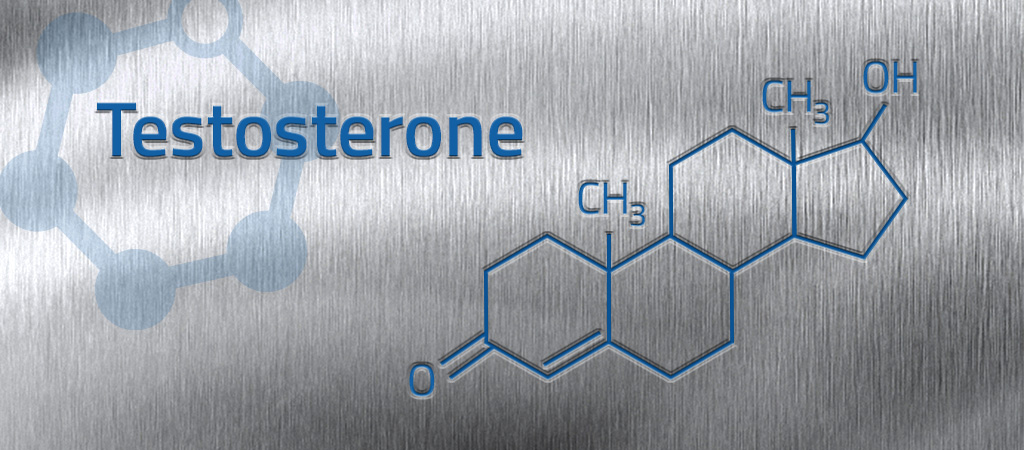
Testosterone is one of the most influential hormones in the male body. It shapes physical development, affects emotional wellbeing, and plays a central role in sexual health, metabolism, muscle mass, confidence, and energy regulation. When testosterone levels drop below healthy ranges, many men experience a condition known as testosterone deficiency, also referred to as Low T or hypogonadism.
Hormone Replacement Therapy (HRT), specifically Testosterone Replacement Therapy (TRT), has become a recognized medical solution when low testosterone is confirmed through clinical evaluation. But the topic is often surrounded by confusion, myths, and misinformation. Many men struggle silently with symptoms because they don’t understand what’s happening to their bodies — or they are unsure whether TRT is safe or appropriate for them.
This comprehensive 2000+ word guide breaks down everything you need to know about testosterone deficiency, how it is diagnosed, how TRT works, risks, benefits, and what patients should expect during treatment under medical supervision.
1. Understanding Testosterone and Its Role in the Male Body
Testosterone is an androgen hormone primarily produced in the testicles, with small amounts made in the adrenal glands. It begins shaping male development even before birth, influencing genital formation and the creation of male reproductive structures. As boys enter puberty, testosterone surges and triggers:
- Growth of facial and body hair
- Deepening of the voice
- Increased muscle mass and strength
- Growth of the penis and testicles
- Height increase
- Changes in mood and confidence
- Development of sexual interest
In adulthood, testosterone helps maintain important functions:
- Stable mood and mental clarity
- Libido and sexual function
- Sperm production
- Bone density
- Muscle maintenance
- Fat distribution
- Red blood cell production
- Overall vitality and drive
When these levels decline abnormally, the impact is noticeable across physical, sexual, and emotional areas of life.
2. What Is Testosterone Deficiency?
Testosterone deficiency occurs when the body does not produce enough testosterone to support normal functions. While testosterone naturally declines with age — typically about 1% per year after age 30 — deficiency is not simply “getting older.” It is a medical condition.
There are two primary forms:
Primary Hypogonadism (Testicular Issue)
The testicles cannot produce enough testosterone. Causes may include:
- Genetic conditions (Klinefelter syndrome)
- Injury or trauma to the testicles
- Infections or mumps orchitis
- Chemotherapy or radiation
- Autoimmune disorders
Secondary Hypogonadism (Brain-to-Testes Communication Issue)
The brain does not send signals needed for testosterone production. Causes include:
- Pituitary gland problems
- Hypothalamus disorders
- Obesity
- Chronic illness
- Stress
- Certain medications
- Sleep apnea
- Hormonal imbalances
Both types result in low testosterone, but treatments can differ depending on the root cause.
3. Symptoms of Testosterone Deficiency
Low testosterone shows up in many interconnected ways. Symptoms can be physical, psychological, or sexual. Many men dismiss these changes as “normal aging,” but they often indicate a deeper hormonal imbalance.
Physical Symptoms
- Unexplained fatigue
- Loss of muscle mass despite training
- Increased body fat (especially around the abdomen)
- Decreased strength
- Hair thinning
- Reduced endurance
- Weak or brittle bones
Sexual Symptoms
- Low libido
- Difficulty achieving or maintaining erections
- Reduced morning erections
- Shrinking testicles
- Decreased ejaculate volume
- Infertility
Mental & Emotional Symptoms
- Depression or low mood
- Irritability
- Brain fog
- Decreased motivation
- Anxiety
- Reduced confidence
Long-Term Health Effects
If left untreated, testosterone deficiency can contribute to:
- Osteoporosis
- Metabolic disorders
- Cardiovascular issues
- Progressive muscle loss
- Declining mental health
Identifying these symptoms early is key to proper treatment and health restoration.
4. Causes of Low Testosterone
Low testosterone can stem from a variety of factors. Understanding the underlying cause helps healthcare providers choose the right treatment approach.
Age-Related Decline
While mild decreases with age are normal, severe drops are not.
Lifestyle Factors
- Poor sleep
- Excessive alcohol
- High stress
- Sedentary lifestyle
- Poor diet
- Lack of strength training
Medical Conditions
- Diabetes
- Obesity
- Thyroid disorders
- Pituitary tumors
- Chronic infections
- HIV/AIDS
Medications
- Opioids
- Steroids (corticosteroids)
- Chemotherapy drugs
- Certain antidepressants
Environmental & Genetic Factors
- Endocrine-disrupting chemicals
- Genetic disorders affecting hormone production
Understanding these causes is crucial because TRT is not always the first or best solution.
5. Diagnosing Testosterone Deficiency: The Medical Process
Testosterone deficiency cannot be diagnosed based solely on symptoms. Medical professionals follow a structured process:
Step 1: Symptom Evaluation
Doctors ask about mood changes, sexual function, energy levels, sleep quality, and physical performance.
Step 2: Blood Tests
Blood work must be done early in the morning, when testosterone peaks. Key tests include:
- Total testosterone
- Free testosterone
- SHBG (Sex Hormone-Binding Globulin)
- LH (Luteinizing Hormone)
- FSH (Follicle-Stimulating Hormone)
- Estradiol
- Prolactin
- Thyroid hormones
- CBC (complete blood count)
- PSA (for prostate health)
Step 3: Investigating the Cause
Abnormal LH and FSH levels may indicate whether the issue is testicular or pituitary.
Step 4: Physical Examination
Doctors evaluate:
- Body composition
- Testicular size
- Blood pressure
- Prostate health
Accurate diagnosis ensures TRT is prescribed safely and only when necessary.
6. What Is Testosterone Replacement Therapy (TRT)?
TRT is a medical treatment that restores testosterone levels to a normal, healthy range. It is prescribed only when lab results and symptoms confirm deficiency. The goal is not to elevate testosterone beyond normal levels, but to bring the body back into balance.
Common forms of TRT include:
1. Injections
- Testosterone cypionate
- Testosterone enanthate
- Testosterone undecanoate
They are the most widely used and cost-effective.
2. Topical Gels
Applied daily to the skin.
3. Patches
Skin patches that deliver testosterone slowly.
4. Pellets
Small implants inserted under the skin lasting 3–6 months.
5. Oral Capsules
Less common; new formulations are becoming available in some regions.
Each method has advantages and disadvantages. A medical provider helps determine the best option based on lifestyle, symptoms, and health status.
7. Benefits of Testosterone Replacement Therapy
When medically supervised, TRT offers numerous proven benefits.
Physical Benefits
- Increased muscle mass
- Improved fat distribution
- Strength enhancement
- Better bone density
- Higher energy levels
Sexual Benefits
- Increased libido
- Improved erectile function
- Stronger morning erections
- Enhanced sexual satisfaction
Mental & Emotional Benefits
- Improved mood
- Enhanced confidence
- Sharper mental focus
- Reduced anxiety
Metabolic Benefits
- Improved insulin sensitivity
- Better cardiovascular markers
- Reduced risk of metabolic syndrome
For men with true testosterone deficiency, TRT often dramatically improves quality of life.
8. Risks and Side Effects of Testosterone Therapy
While TRT is beneficial for many, it requires professional oversight.
Possible Risks
- Increased red blood cell count (requires monitoring)
- Acne
- Fluid retention
- Changes in cholesterol levels
- Reduced sperm production
- Testicular shrinkage
- Worsening sleep apnea
- Prostate monitoring required
These risks are minimized through proper medical supervision and routine blood testing.
9. Who Should NOT Use TRT
Certain groups should avoid TRT unless cleared by a specialist:
- Men with prostate or breast cancer
- Those with untreated sleep apnea
- Men with high cardiovascular risk not yet stabilized
- Individuals seeking to increase fertility (TRT can lower sperm count)
- Anyone using testosterone without medical evaluation
Safety depends heavily on correct diagnosis and follow-up care.
10. Life on TRT: What Patients Should Expect
Monitoring
Doctors typically order blood tests at:
- 6 weeks
- 3 months
- 6 months
- Every 6–12 months thereafter
Lifestyle Support
TRT works best when paired with:
- Strength training
- Balanced diet
- Good sleep
- Stress management
Long-Term Commitment
For many men, TRT is a lifelong therapy because the underlying deficiency persists.
Adjustment Period
It may take 3–6 months to see the full impact on mood, muscle, and libido.
11. Natural Ways to Support Testosterone Levels
While natural methods cannot fix true clinical hypogonadism, they can support healthier levels:
- Weight management
- Resistance training
- Healthy fats (omega-3s)
- Vitamin D
- Zinc & magnesium
- Quality sleep
- Avoiding alcohol excess
- Reducing stress
For some men with mild declines, lifestyle adjustments significantly help.
12. Final Thoughts: A Balanced Approach to Hormonal Health
Testosterone deficiency can deeply affect a man’s physical performance, emotional stability, and quality of life. Recognizing symptoms and getting a proper diagnosis is the first step toward recovery. TRT, when medically justified and supervised, can be life-changing — restoring vitality, confidence, and overall wellbeing.
But TRT is a medical treatment, not a shortcut for muscle gain or appearance enhancement. The safest and healthiest outcomes occur when men work with qualified healthcare professionals, follow testing schedules, and combine therapy with a balanced lifestyle.
Understanding testosterone deficiency empowers men to make informed decisions and reclaim control over their health.